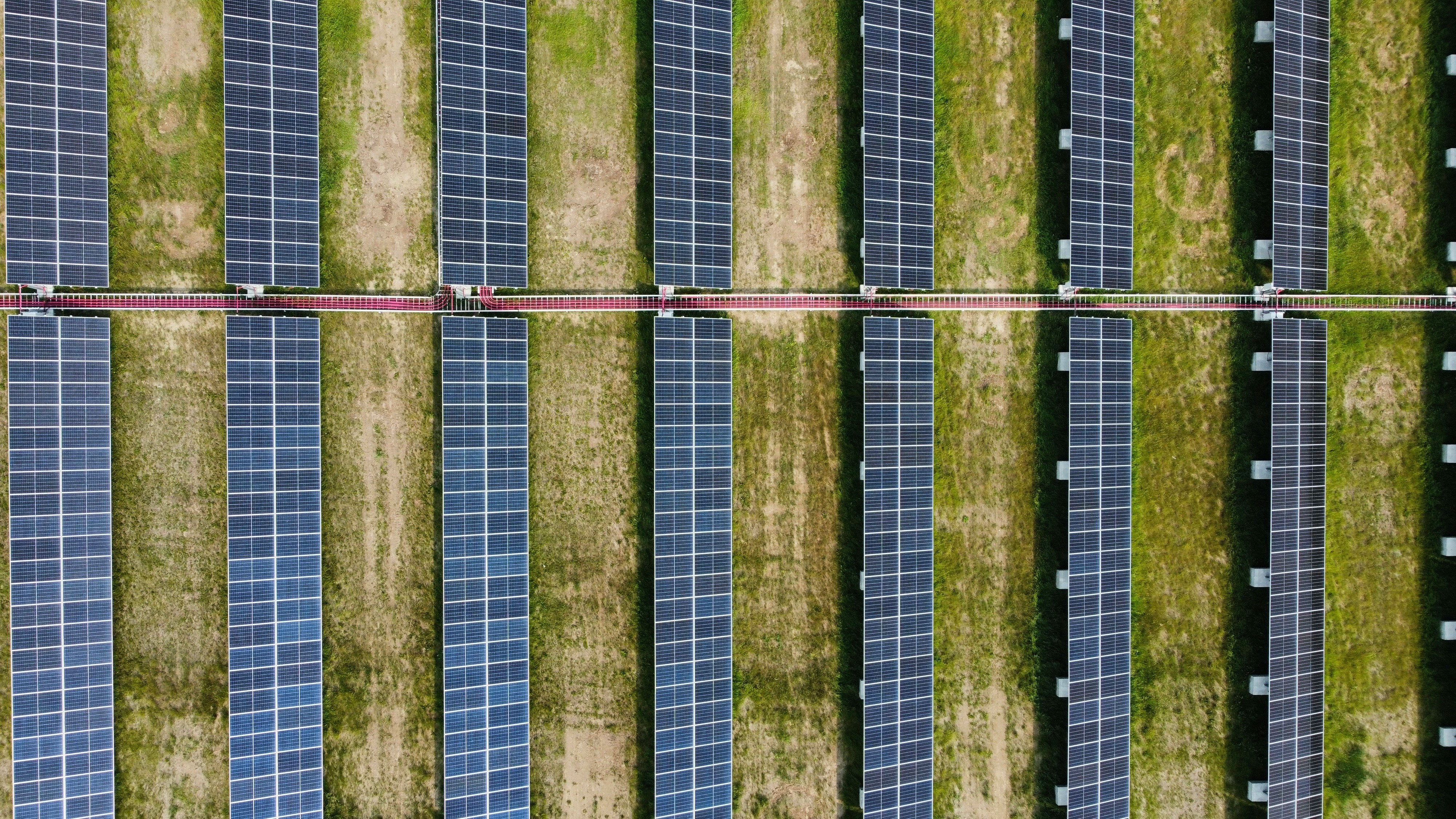
Most people assume that going solar means putting panels on your roof. But there's a second way — one that works for renters, apartment dwellers, homeowners with shaded roofs, and anyone who doesn't want a 20-year loan. It's called community solar, and it's already saving hundreds of thousands of people 10–25% on their electric bills with zero installation required.
This guide explains exactly how community solar works, who it's for, and how you can start saving in about 3 minutes.
What Is Community Solar?
Community solar is a shared solar energy program. Instead of putting panels on your own roof, you subscribe to a portion of a large solar farm located somewhere else in your state. That farm generates electricity, and you receive credits on your existing utility bill — proportional to your share of the farm's output.
You don't move. You don't switch utilities. You don't install anything. Your electric bill simply gets smaller every month.
💡 Think of it like a CSA farm share — but for electricity. You subscribe to a share of a solar farm, and the savings flow directly to your bill.
How Community Solar Works — Step by Step
- You subscribe to a portion of a solar farm in your utility territory. This is typically done online in a few minutes.
- The solar farm generates electricity and sends it into the grid.
- Your utility tracks your share of that generation and applies credits to your account each month.
- Your bill is lower. You pay the utility your normal rate minus the credit. Most subscribers save 10–25% on the solar portion of their bill.
Who Qualifies for Community Solar?
Community solar is designed to be as accessible as possible. You likely qualify if:
- You have an active electric bill in a state with community solar
- Your utility participates in the program (most major utilities do)
- You have a reasonable credit history (some programs require this; many don't)
You do not need to own your home. Renters, condo owners, and apartment dwellers all qualify — this is one of the biggest advantages community solar has over rooftop installations.
How Much Can You Save?
Most community solar subscribers save between 10% and 25% on their electricity costs. On an average electric bill of $150/month, that's $15–$37 in monthly savings, or $180–$450 per year.
The exact amount depends on three things:
- Your state's program structure — some states mandate a minimum discount rate
- The specific farm you're matched to — discount rates vary by developer
- Your monthly electricity usage — higher usage means larger absolute savings
At JoinCommunity.Solar, we show you the exact guaranteed discount rate before you commit to anything.
Is There Any Upfront Cost?
No. There is no installation fee, no sign-up fee, and no credit card required to get a recommendation. You simply subscribe, and credits appear on your next bill. You never pay more than you're paying today.
What States Have Community Solar?
Community solar is currently available in 23 states, including:
- California, Colorado, Illinois, Maryland, Massachusetts
- Minnesota, New York, New Jersey, Oregon, Virginia
- Connecticut, Maine, Hawaii, Rhode Island, and more
Availability is expanding rapidly. Even if your state isn't listed, check — programs launch regularly.
Can I Cancel If I Move?
Yes. Most programs allow cancellation with 60–90 days notice and no penalties. If you move within the same utility territory, you can usually keep your subscription. We only recommend programs with fair, transparent cancellation terms.
Community Solar vs. Rooftop Solar: The Key Differences
- No installation — community solar requires zero work at your home
- Works for renters — rooftop solar requires ownership; community solar doesn't
- No upfront cost — rooftop installs typically cost $15,000–$30,000
- Immediate savings — no waiting for permits, installations, or grid interconnection
- Lower lifetime savings — you won't save as much as a fully owned rooftop system over 25 years, but you also take on zero risk and zero debt
How to Get Started
The process at JoinCommunity.Solar takes about 3 minutes:
- Tell us your utility provider
- We match you to the best available farm in your territory
- You review the terms and enroll — credits start appearing on your next bill
There's no obligation to enroll after seeing your match, and no spam from third-party vendors. We surface one recommendation and explain exactly why it's the right fit for you.