Do I need HOA or architectural approval?
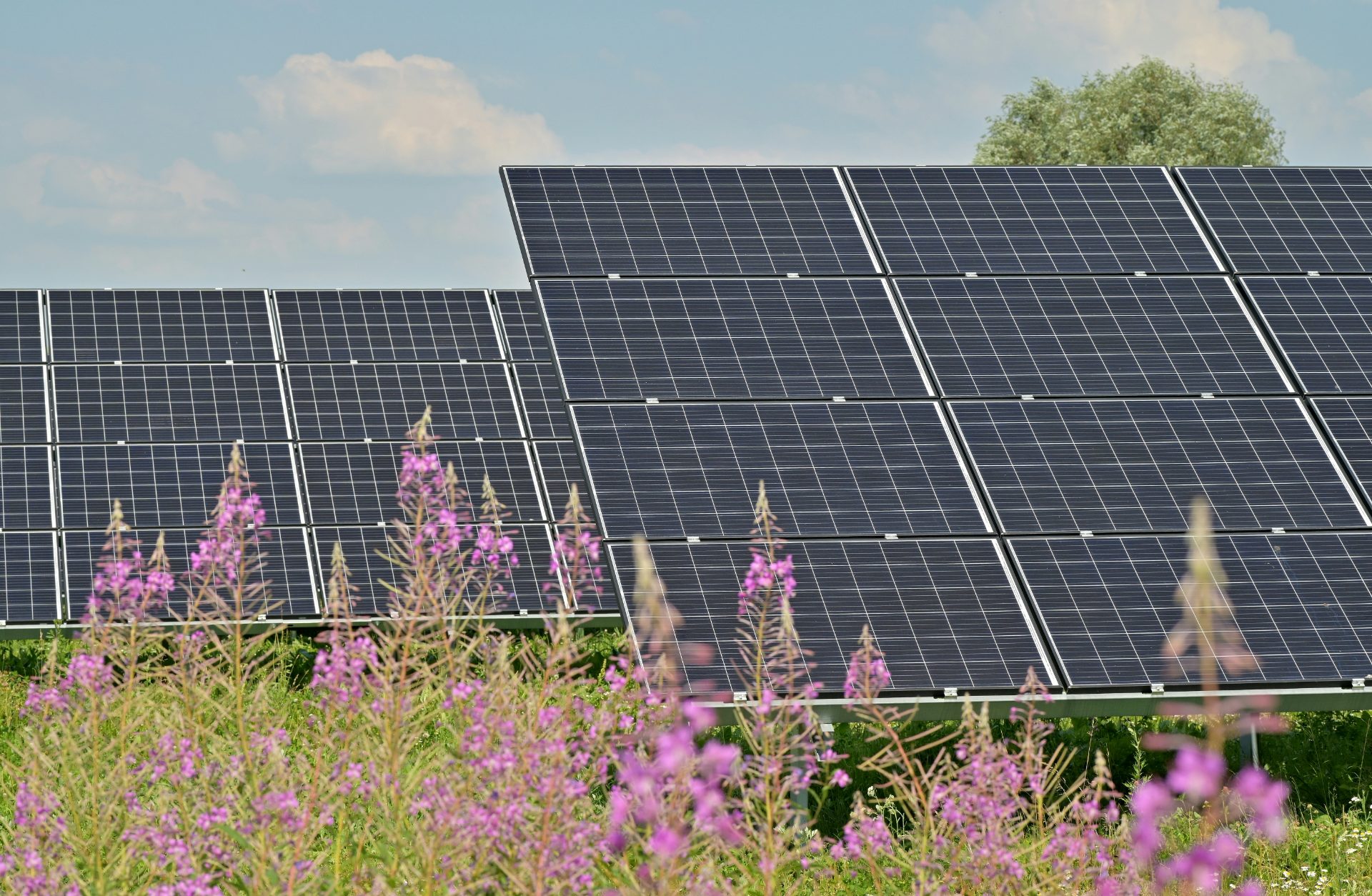
No. There is nothing to approve. Nothing is installed at your home, nothing is attached to the building, and nothing about the outside of your property changes. The equipment is on farmland elsewhere in Maryland and you subscribe to a share of it.
Is anything installed at my home?
No. Nothing on the roof, nothing on the wall, nothing at the meter. There is no site visit, no contractor and nothing to maintain later.
Do I leave Potomac Edison?
No. Potomac Edison stays your utility, your account number stays the same, and you keep getting one bill from them. The credit shows up on that bill.
What does it cost to join?
Nothing upfront. There is no sign-up fee and no deposit. A credit appears on your Potomac Edison bill and you end up paying less than you would have.
How do I know if I am under the income limit?
For one person the limit is $68,500, and for two it is $78,250. Maryland sets these at 80% of the state median income, and they rise with household size: $88,050 for three, $97,800 for four.
You confirm your own income on the agreement. There is no income verification, no documents and nothing to upload. If you are over the limit you still take 10%, and the Finder never asks you for a figure.
I am retired. Does that change anything?
No. The offer looks at the household income, not where it comes from, and the process is the same either way. A solar credit on your electric bill is an additional benefit: it does not replace energy assistance, and it does not count against SNAP or OHEP.
What if I sell the house, move or spend winters away?
You can cancel anytime. The subscription is tied to the Potomac Edison account in your name, so if the bill stops being yours, the subscription ends with it. There is no exit fee and no equipment to remove, because none was ever installed.
Is this the same as the people who knock on the door?
No. This is the whole process: you answer two questions online, you see your own number before you give any contact details, and you sign on your phone. Nobody needs to visit, and nothing gets measured or surveyed.
My bill does not come from Potomac Edison.
Then this particular offer is not open to you, and we would rather say so here than after you have filled anything in. The Finder asks who sends your bill as its first question, so it will tell you in a few seconds either way.